Introduction
Building a maintaining wall can be a considerable financial investment for your property, both in regards to visual appeals and functionality. Whether you're seeking to avoid soil disintegration, develop level balconies, or improve your landscape's look, hiring the best retaining wall contractor is vital. This article will serve as your extensive guide on what to anticipate when working with these experts, from initial consultations to forecast conclusion. We'll cover everything you require to understand about selecting a retaining wall builder, the materials included (like concrete sleepers, H beams, wood sleepers, timber sleepers, and stone), and common risks to prevent.
Step-by-Step Guide: What to Anticipate When Working with a Retaining Wall Contractor
When engaging a retaining wall installer, it's vital to comprehend the entire procedure. From concept to execution, every step matters. Here's an in-depth introduction of what you should prepare for:
1. Preliminary Assessment and Website Assessment
What happens throughout the first meeting?
During your preliminary consultation, the contractor will visit your website to assess conditions like topography, soil type, and drain issues. This evaluation is crucial since it assists determine the very best style and products for your keeping wall.
- Key concerns to ask: What experience do you have with comparable projects? Can you supply referrals or examples of previous work?
The contractor will examine whether a stone, wood sleeper, or other products are suitable based upon site conditions.
2. Style Phase
How does the style procedure work?
Once evaluations are completed, the design phase begins. The specialist may provide several style options tailored to your needs:
- Traditional gravity walls Cantilevered walls Sheet stack walls
Each choice has its benefits and drawbacks, so comprehending how they function is critical.
3. Product Selection
What products must I consider?
The choice of products can significantly affect resilience and aesthetic appeals:
- Concrete Sleepers: Resilient and flexible; ideal for modern-day designs. Timber Sleepers: Aesthetic appeal but might need more maintenance. Stone: Extremely long lasting but often more expensive.
Your professional ought to assist you weigh the benefits of each product versus your budget.
4. Expense Estimates and Budgeting
What should I expect regarding costs?
An expert specialist will provide a comprehensive estimate that includes labor, materials, permits, and any http://israelbuilderdgvr071.image-perth.org/why-proper-preparation-by-your-retaining-wall-builder-is-important additional website preparation needed.
Typical Cost Breakdown:
|Item|Estimated Expense|| -----------------------|----------------|| Materials|$X per system|| Labor|$Y per hour|| Permits|$Z|
Understanding this breakdown helps in budgeting effectively.
5. Permitting Process
Do I need licenses for my retaining wall?
In most cases, yes! Your specialist will typically manage this process however guarantee they discuss it with you upfront:
- Local regulations differ widely. Some areas might have limitations on height or product use.
It's necessary to comply with regional laws to avoid future complications.
6. Preparing the Site for Construction
What preparations are needed before building?
Site preparation involves cleaning vegetation, grading land if needed, and ensuring appropriate drain systems remain in location.
This action is important because inappropriate drainage can result in structural failure over time.
7. Setup Begins
What can I anticipate throughout installation?
Once whatever is set up, construction begins! During this stage:
- The contractor will set out the foundation. Proper leveling is important for effectiveness.
Expect some sound and disruption; however, excellent contractors lessen trouble wherever possible.
8. Quality Control Checks During Installation
How do I know if quality standards are met?
Throughout the installation, routine quality checks ought to be performed by both you and the contractor:
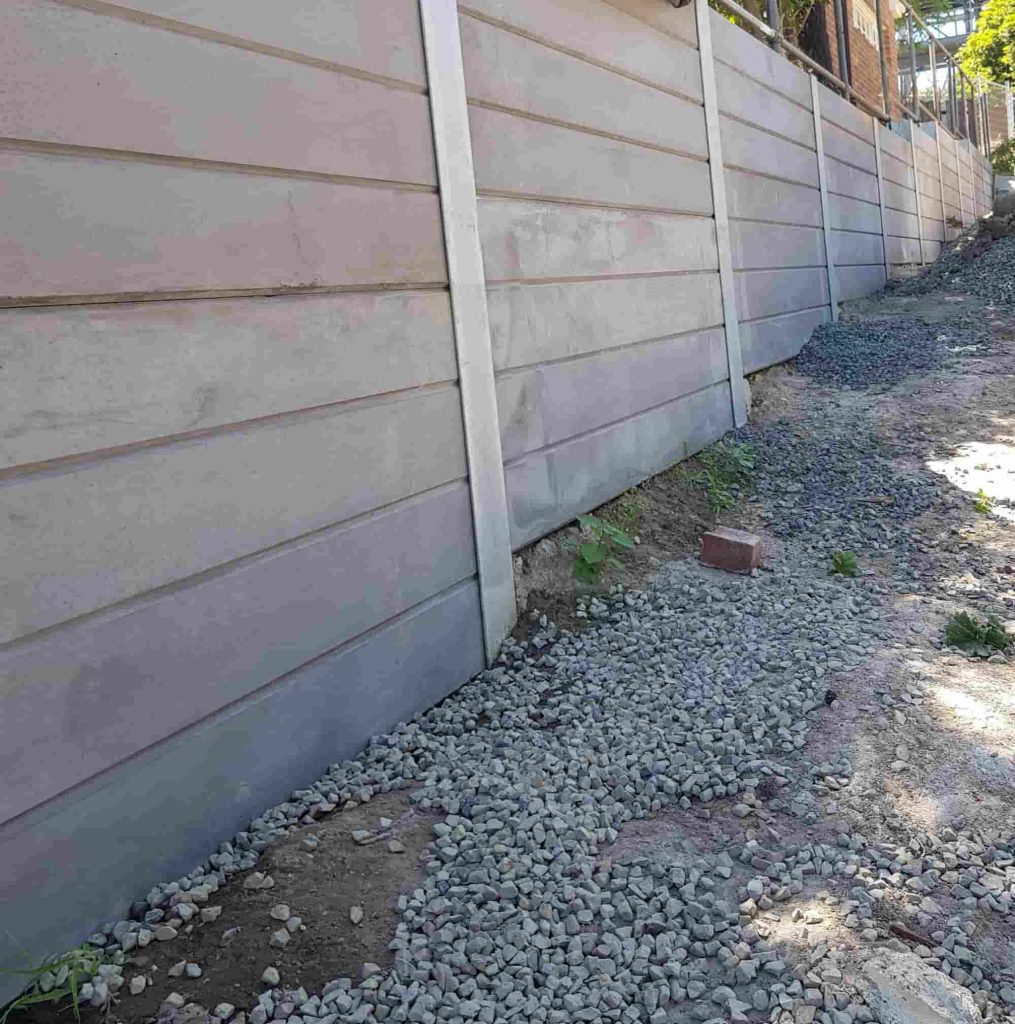
- Confirm that materials match specifications. Ensure proper positioning and leveling at all stages.
Keep an open line of communication; don't be reluctant to voice concerns!
9. Last Touches and Backfilling
What happens after construction?
After setup comes backfilling-- this involves filling out behind the wall with soil while making sure appropriate drainage solutions stay effective (like weep holes).
Final touches include landscaping around the wall or including functions like lighting or steps depending upon your plans.
10. Upkeep Standards Post-Installation
How do I preserve my new keeping wall?
Your keeping wall will need periodic assessments for signs of wear or damage such as fractures or erosion:
- Clean out particles from weep holes regularly. Monitor plant development near wooden walls which could result in rot if not handled properly.
A properly maintained wall can last decades!
FAQs
1. For how long does it require to construct a keeping wall?
The period mostly depends on size and intricacy but usually ranges from a couple of days as much as two weeks.
2. What's much better-- wood or stone for retaining walls?
It depends upon aesthetic preference versus resilience needs; wood offers heat while stone provides longevity.
3. Can I develop a keeping wall myself?
While DIY is an alternative for smaller sized jobs, hiring an experienced professional guarantees compliance with regional codes and lowers prospective errors.
4. Do maintaining walls require drainage?
Yes! Appropriate drain prevents water accumulation that could compromise structural stability over time.
5. What types of walls are available?
Common types consist of gravity walls, cantilevered walls, anchored walls, and so on, each fit for different applications based on stability needs.
6. Are there environmental considerations when building?
Always consult experts regarding environmental effect evaluations specifically concerning local wildlife habitats or water circulation patterns.
Conclusion
Navigating through the procedure of working with a retaining wall contractor can initially seem daunting-- yet armed with this guide detailing what to expect every step of the way makes it manageable! From mindful preparation throughout consultations all the method through maintenance post-installation-- each stage requires attention-to-detail that just knowledgeable experts come up with effectively!
Remember that effective collaboration hinges upon clear communication between you as the house owner & & specialists throughout-- the better informed you are about each aspect mentioned here means smoother sailing ahead towards achieving stunning results in improving both functionality & & appeal within your landscapes!