Introduction
Landscaping has actually developed significantly for many years, and among the most crucial elements in this evolution is the art and science of building keeping walls. As outdoor areas become more valued for visual appeal and performance, retaining wall contractors are leading the charge toward ingenious landscaping options. In this article, we will check out The Future of Landscaping: Insights from Leading Retaining Wall Builders who are forming the industry today.
The usage of retaining walls is not simply a pattern; it's a need in numerous landscapes, specifically in locations with high slopes or unsteady soil. These structures not only supply assistance however also boost the overall beauty of a residential or commercial property. From concrete sleepers to stone and wood alternatives, today's retaining wall professionals have endless possibilities to create spectacular outdoor environments.
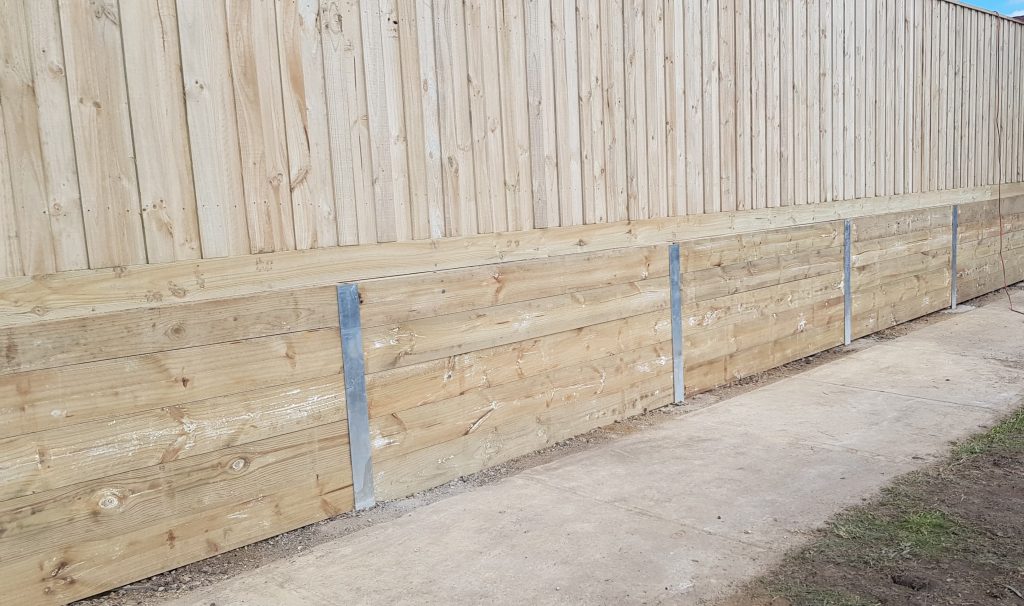
Understanding Maintaining Walls: A Strong Structure for Landscaping
What Are Maintaining Walls?
Retaining walls are crafted structures designed to hold back soil and avoid erosion. They are vital in handling changes in elevation within landscapes. Whether you're dealing with sloped backyards or need to create tiered gardens, retaining walls use both useful services and visual enhancements.
Why Are Retaining Walls Important?
Retaining walls serve numerous functions:
- Erosion Control: They prevent soil erosion by stabilizing slopes. Water Management: Properly created walls can redirect water away from structures. Aesthetic Appeal: They add depth and character to landscapes. Functional Areas: Create usable arrive at otherwise unusable slopes.
Types of Maintaining Walls: Exploring Options for Your Landscape
Concrete Sleepers: Resilience Meets Design
Concrete sleepers have gained appeal due to their toughness and flexibility. These pre-cast panels can hold up against severe weather conditions while supplying a contemporary appearance ideal for different landscaping styles.
H Beams: Strength in Structure
H beams are often used in commercial applications however can also be adjusted for residential landscaping. Their strength makes them ideal for retaining large volumes of soil.
Wood Sleepers: Rustic Charm
For those looking for a more natural look, wood sleepers provide an organic visual that mixes seamlessly with garden environments. Nevertheless, they require treatment to stand up to rot and pests.
Timber Sleepers: Environmentally friendly Choices
Timber sleepers are made from sustainable wood sources. While they include heat to your landscape, property owners need to consider durability compared to other materials.
Stone Retaining Walls: Ageless Elegance
Nothing states traditional like stone maintaining walls. They can be built using numerous kinds of stone, offering a rustic look that enhances any landscape design.
The Future of Landscaping: Developments Forming the Industry
Sustainable Practices in Landscape Design
As ecological concerns grow, leading retaining wall builders are embracing sustainable practices that lessen environmental effect while developing stunning outside spaces.
Smart Innovation Integration
Innovative innovations such as 3D modeling and enhanced reality permit designers to picture tasks before they begin construction, guaranteeing much better results for clients.
Enhanced Looks through Modular Systems
Modular retaining wall systems provide versatility in style while enabling contractors to produce detailed patterns and shapes easily.
Choosing the Right Retaining Wall Installer for Your Project
Experience Matters: What to Look For?
When choosing a retaining wall installer, consider their experience level. A skilled professional will have insights into local guidelines, soil conditions, and design trends that can affect your project.
Reputation is Key: Client Testimonials and Reviews
Check customer testimonials to assess the dependability of prospective specialists. Positive evaluations often point towards quality workmanship and client satisfaction.
Portfolio Review: Visual Proof of Expertise
A strong portfolio showcasing past jobs can provide you self-confidence in your picked specialist's capability to deliver on your vision.
Tips for Planning Your Retaining Wall Task Successfully
Assessing Your Landscape Needs First
Before delving into building, examine your particular requirements based upon your landscape's topography and function of the wall-- whether it's purely decorative or practical as well.
Budgeting Carefully: Cost Factors To Consider for Homeowners
Understand what aspects influence expenses such as materials selected (concrete sleeper vs stone) and labor requirements when budgeting your project effectively.
Designing with Function: Functionality Satisfies Aesthetics
Work carefully with your retaining wall builder to make sure that your design achieves both aesthetic goals while serving useful functions like drain management or area creation.
Common Mistakes Made by Do It Yourself Lovers When Structure Maintaining Walls
Building a retaining wall may seem simple; nevertheless, DIY lovers typically neglect crucial elements:
Ignoring Drainage Solutions: Poor drainage causes structural failure. Neglecting Soil Compaction: Uncompacted soil will move over time. Using Unsuitable Materials: Not all products suit every landscape type. Underestimating Weight Loads: Failing to compute pressure can cause collapses. Skipping Permits: Many areas require licenses for substantial landscaping alterations.FAQs About Retaining Walls and Landscaping Solutions
1. What is a retaining wall contractor?
A retaining wall contractor specializes in designing, building, and preserving maintaining walls tailored to specific needs based upon terrain conditions.
2. For how long do various types of keeping walls last?
Concrete sleepers typically last over 50 years while wooden options may last around twenty years if properly maintained due to susceptibility to decay.
3. Can I develop my own retaining wall?
Yes! Nevertheless, mindful preparation concerning material choice (like timber sleeper or stone) and appropriate installation techniques is important for success.
4. Do I need a permit for building a maintaining wall?
Most jurisdictions need permits if the wall goes beyond specific heights or if it changes existing drain patterns substantially-- examine local regulations beforehand!
5. What are some design trends in landscaping including maintaining walls?
Current trends include utilizing environment-friendly materials like recycled concrete or incorporating lighting systems within walls for added visual appeal at night!
6. How do I preserve my keeping wall when built?
Regular examinations ought to focus on indications http://griffinfence-contractorigye056.wpsuo.com/common-challenges-dealt-with-by-novice-versus-seasoned-retaining-wall-professionals of wear such as cracks or shifting stones; cleaning particles far from drainage points assists lengthen life expectancy too!
Conclusion
As we look toward the future, it's evident that landscaping-- and particularly the role of knowledgeable retaining wall builders-- will continue developing together with technological improvements and ecological factors to consider. By understanding products (like concrete sleepers or timber sleepers) alongside ingenious designs incorporating sustainability principles into each job; homeowners can ensure their landscapes stay beautiful yet practical spaces long into the future!
Whether you're looking for modern-day beauty through stone structures or rustic charm through wood sleepers; partnering with experienced professionals guarantees effective application tailored perfectly around private requirements! So next time you're pondering boosting your outdoor area remember this insightful journey through The Future of Landscaping come up with by leading experts ready at hand!